
Before a baby comes, there is so much focus on getting everything ready.
The diapers. The bassinet. The bottles. The clothes. The car seat.
We spend months thinking about what the baby will need.
But after the baby is born, there is another person who needs care too: the mom.
Postpartum recovery is about so much more than healing from childbirth. Your body is recovering, your hormones are shifting, your sleep is completely different, and your entire life has suddenly changed.
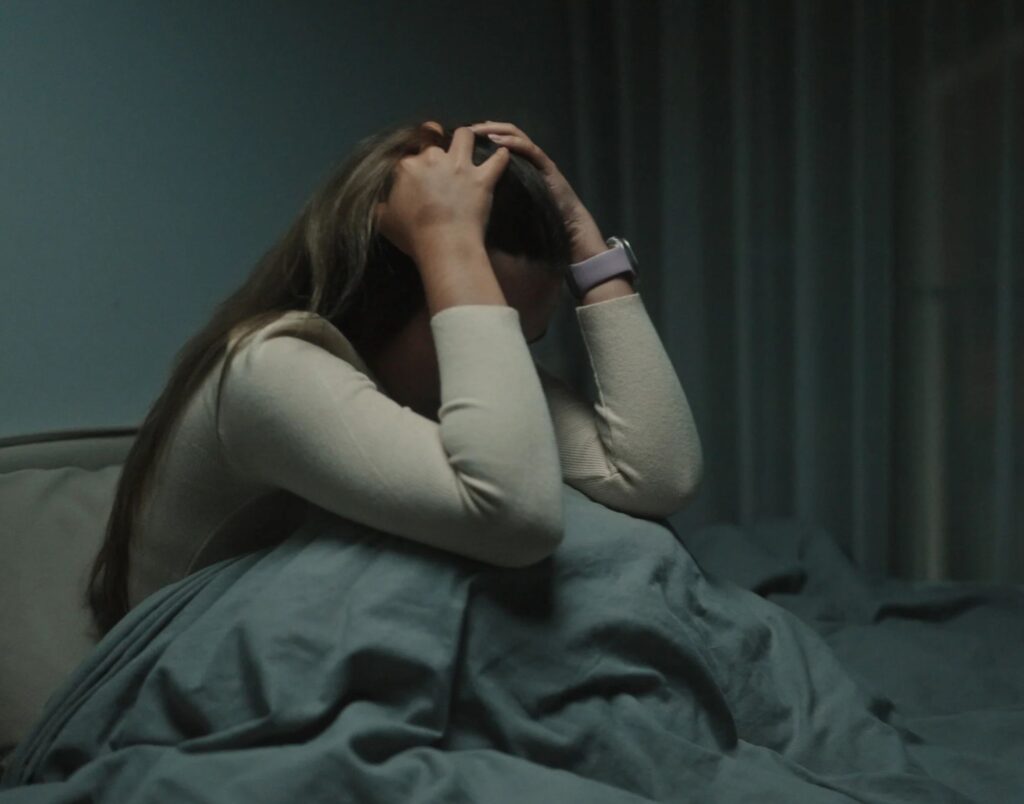
Even when you are completely in love with your baby, you can still feel exhausted, lonely, overwhelmed, emotional, or just… not quite like yourself.
And that is something we do not talk about enough.
Postpartum Recovery Is More Than Physical Healing
When people hear the words postpartum recovery, they often think about physical things like bleeding, soreness, C-section recovery, breastfeeding, or waiting for your body to heal.
Those things absolutely matter.
But there is also a mental and emotional recovery happening at the same time.
One term I wish more moms knew is matrescence.
Matrescence is the transition a woman goes through when she becomes a mother. It includes changes to your body, your emotions, your relationships, your priorities, and even your sense of identity.
In other words, becoming a mom is not just adding a baby to your life.
Your life changes.
You may look around one day and realize that the routines you had before are gone. Your relationship may feel different. Your body may feel unfamiliar. Your friendships can change. Even the way you think about yourself can shift.
And you can absolutely love motherhood while also missing pieces of your old life.
Those feelings do not cancel each other out.
Sometimes Your Brain Feels Like It Never Turns Off
One of the hardest parts of early motherhood is how much your brain is constantly tracking.
When did the baby last eat?
How many diapers today?
Did I wash the bottles?
When is the pediatrician appointment?
Did I take my vitamins?
Is the baby sleeping enough?
Should the baby be doing this yet?
And somewhere in between all of that, you are also supposed to eat, shower, sleep, answer messages, keep the house somewhat functioning, and remember who you were before this tiny person arrived.
Psychology has a term for this too: cognitive load.
It simply means how much information your brain is trying to hold and process at one time.
For new moms, that load can get very heavy.
That is why saying, “Just tell me what you need,” is kind but sometimes not as helpful as people think.
A mom who is already overwhelmed now has to figure out what she needs, decide what someone else can do, and explain it.
Sometimes better postpartum support sounds more like:
“I’m bringing dinner tonight.”
“I’ll wash the bottles.”
“I can hold the baby while you take a shower.”
“I’m doing a load of laundry. Don’t worry about it.”
Little things can feel enormous when your brain is carrying too much.
Your Nervous System Needs Rest Too
There is another part of postpartum mental health that does not get talked about much: your nervous system.
After having a baby, many moms feel like they are always on alert.
You hear every little noise.
You wake up wondering if the baby is breathing.
You are thinking about feedings, naps, crying, spit-up, temperatures, schedules, and whether you are doing everything right.
Even when the baby sleeps, your body may not completely relax.
This is where nervous system regulation comes in.
It sounds clinical, but the idea is actually very simple.
Your body needs moments where it feels safe enough to come out of high alert.
Sometimes that is ten quiet minutes in the shower.
Sometimes it is stepping outside for fresh air.
Sometimes it is eating an actual meal while someone else holds the baby.
Sometimes it is hearing your partner say, “Go lie down. I have this.”
Those moments may look small from the outside, but they can matter deeply during postpartum recovery.
New Moms Need To Be Taken Care of Too
One thing motherhood teaches you very quickly is how much another human being can need you.
But moms need people too.
They need someone to notice that their water cup is empty.
Someone to make them a sandwich.
Someone to ask, “How are you doing?” instead of only asking about the baby.
Someone who can sit beside them when they cry without immediately trying to fix everything.
There is actually a psychology term for something that happens in these moments: co-regulation.
It means that being around another calm, supportive person can help your own body and nervous system feel calmer.
This is one reason new mom support matters so much.
Sometimes you do not need advice.
You need another mom saying, “I felt that too.”
You need someone who understands why a bad night of sleep can make everything feel harder the next day.
You need someone who can remind you that you are still a person underneath all the feeding schedules, laundry, bottles, and diapers.
The Fourth Trimester Can Feel Lonely
The first few months after birth are often called the fourth trimester.
It is a time when your baby is adjusting to being outside the womb, but you are adjusting too.
And sometimes the loneliness of that season surprises moms.
People visit at first. Everyone wants to meet the baby.
Then life slowly goes back to normal for everyone else.
But your life has not gone back to normal.
You may be home more than you used to be. Your days can feel repetitive. Adult conversations may be harder to come by. You can feel surrounded by people and somehow still feel alone.
That is why community can be such an important part of postpartum care and motherhood mental health.
Not because another person can fix everything.
But because being understood makes hard things feel a little less heavy.
There Is No Prize for “Bouncing Back”
Your postpartum body does not need to race back to what it looked like before pregnancy.
Your emotions do not need to settle on someone else’s timeline.
And you do not have to become the exact person you were before your baby arrived.
Sometimes postpartum recovery is not about “getting back” at all.
It is about getting to know this new version of yourself.
A woman who has changed.
A woman who may be stronger in some ways and more vulnerable in others.
A woman who is still figuring it out.
You are allowed to take your time.
And if something feels heavier than ordinary exhaustion—if you are dealing with intense anxiety, persistent sadness, panic, scary thoughts, or feeling unable to cope—reach out to a healthcare or mental health professional. Postpartum depression and postpartum anxiety are treatable, and getting support matters.
Motherhood was never supposed to mean doing everything alone.
Sometimes the thing a mom needs most after having a baby is not another baby product.
It is food.
Rest.
Understanding.
Someone to talk to.
Someone to notice her.
Someone to remind her that she matters too.
At Mom Village, that is something we believe deeply:
Moms deserve care, connection, and a village too.